How to extinguish a Lithium battery fire?

With the proliferation of electric vehicles and battery-powered devices of all kinds, we have to wonder whether our safety isn't becoming increasingly compromised.
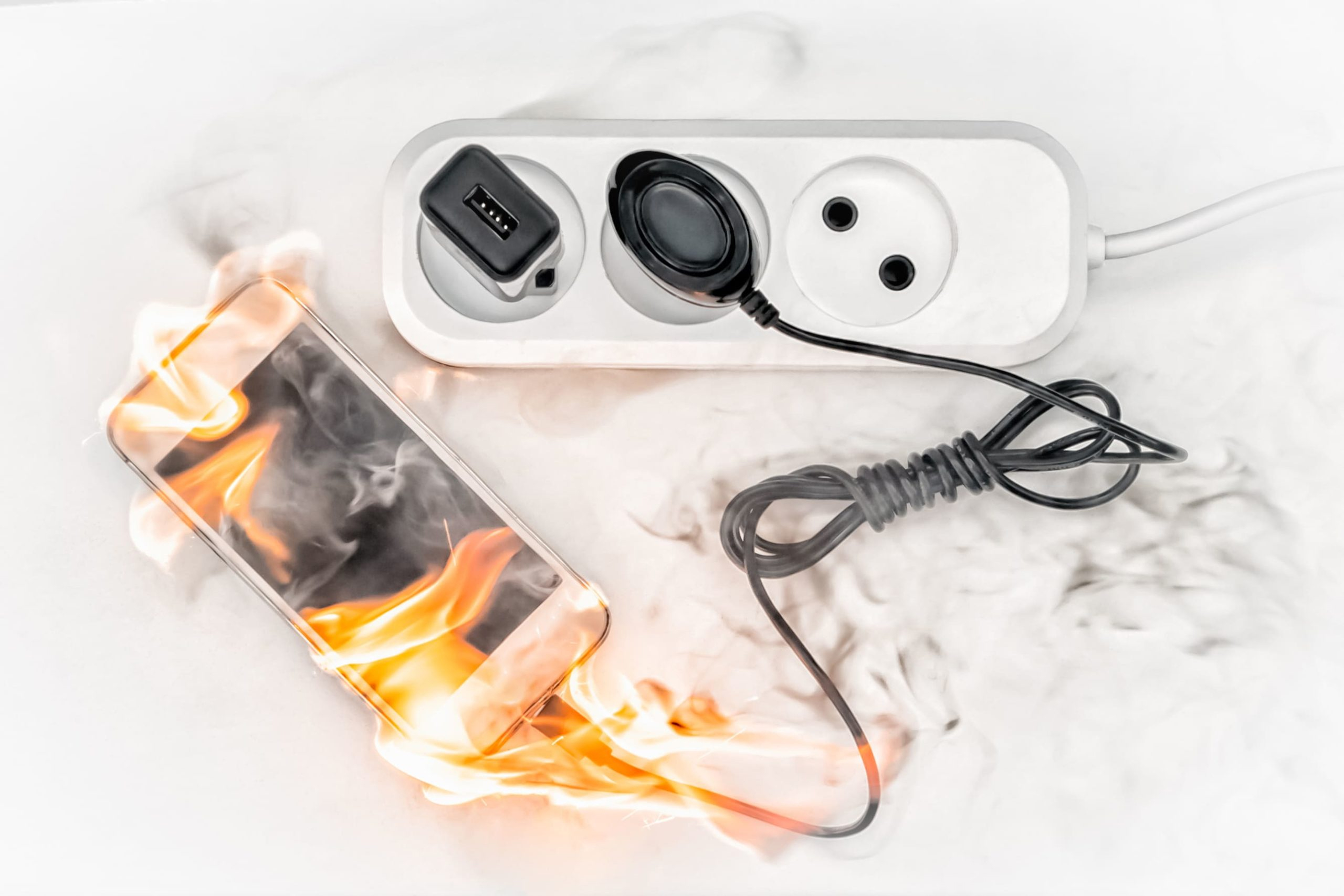
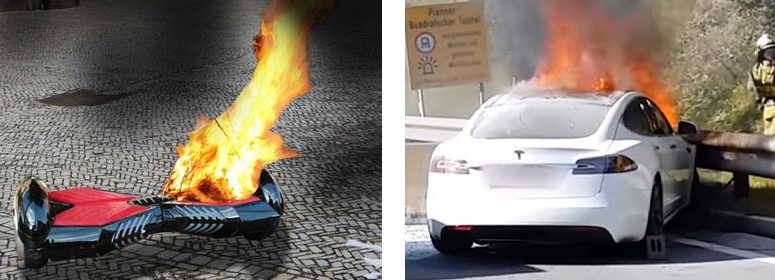
The news and the various videos available on viewing platforms show us that the batteries in our favorite devices are far from harmless: cell phone batteries explode, scooters on charge, electric cars, plugged-in electrical appliances catch fire... Every battery-powered device is a potential danger to ourselves, our children or our homes.
What all these batteries have in common is the lithium they contain.
Although protection exists to prevent their combustion, it is not always optimal:
- Lithium cells these are equipped with safety vents to evacuate flammable gases in the event of thermal runaway, and internal fuses to cut off the load in the event of a sudden rise in temperature.
- The Battery Management System is an electronic board that manages cell charging and discharging. It checks battery operating parameters and offers various functions to limit the risk of overheating.
The problem with these two types of protection is that some unscrupulous manufacturers, in order to reduce their manufacturing costs, neglect quality by producing cells or boards without all the necessary control safeguards in the event of battery overheating, which can, in the worst case, cause the batteries to explode or burn.
What to do if a battery catches fire
If the fire is outside, let it burn but call the fire department immediately highly toxic fumes.
Firefighters have to deal with 3 types of lithium battery whose combustion is more or less easy to control: lithium-ions, which are fairly tricky to control, lithium-polymers, which are even harder to control, and lithium-iron-phosphate batteries, which don't catch fire.
Lithium-ion batteries can be doused with plenty of water to cool the cells and stop the metals melting. However, new ignition can start several hours later, so you need to be very vigilant.
The combustion of lithium-metal-polymer batteries, which is very difficult to extinguish, can eventually be controlled by sand, which prevents the supply of oxygen.

So what are the preventive solutions?
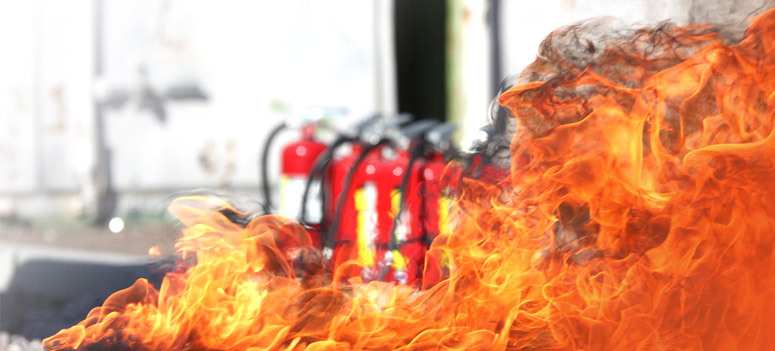
As we have seen, extinguishing a battery fire is very complicated and can spread very quickly, especially in an enclosed area such as a garage or a home. The first solution to consider is therefore the prevention.
There are several ways to prevent a battery fire:
- The loading area for your equipment must be kept clear of flammable objects and materials, and fitted with a smoke detectorthe system reacts by emitting a strident audible signal as soon as the first fumes appear.
- Visit fire blanket it also has the characteristic of not deteriorating when exposed to very high temperatures.
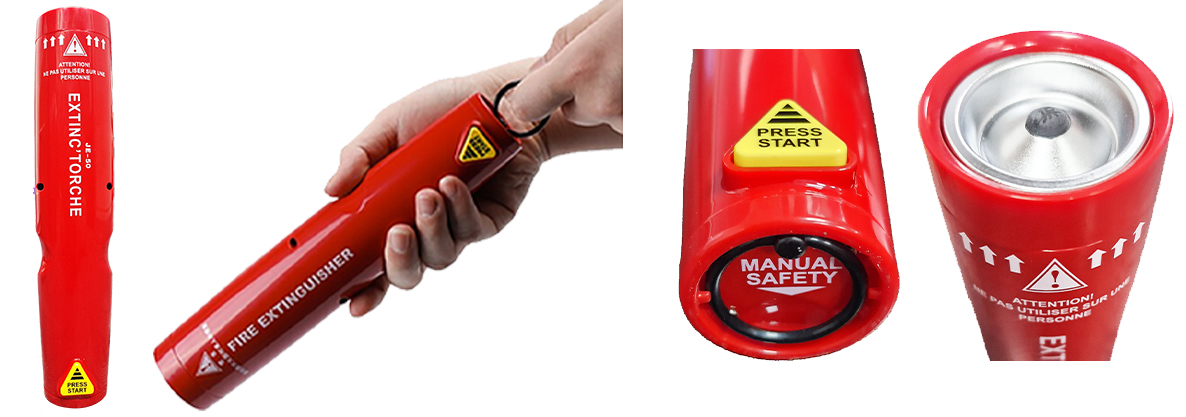
- Visit extinguishers if conventional extinguishers are not effective against a lithium battery fire, you will need at least a type D extinguisher for metal fires lithium fire extinguisherwhich contains a fluid material that coats and cools each cell.
- Only buy equipment that has been checked, tested and complies with European safety standards.
- Never leave a connected device unattended, and always follow the manufacturer's charging instructions.
- Do not use it if it has been subjected to impact or is damaged.
- Unplug the device if you have the slightest doubt (suspicious odor, smoke, etc.)
To sum up, if a fire breaks out, it's essential to keep your cool. Unplug your equipment and call the fire department without delay. Avoid breathing the highly toxic fumes as much as possible, and evacuate your home by closing the door behind you. If you have a lithium-ion fire extinguisher, use it, but don't put yourself in danger.
There is no such thing as zero risk, so always be vigilant!